

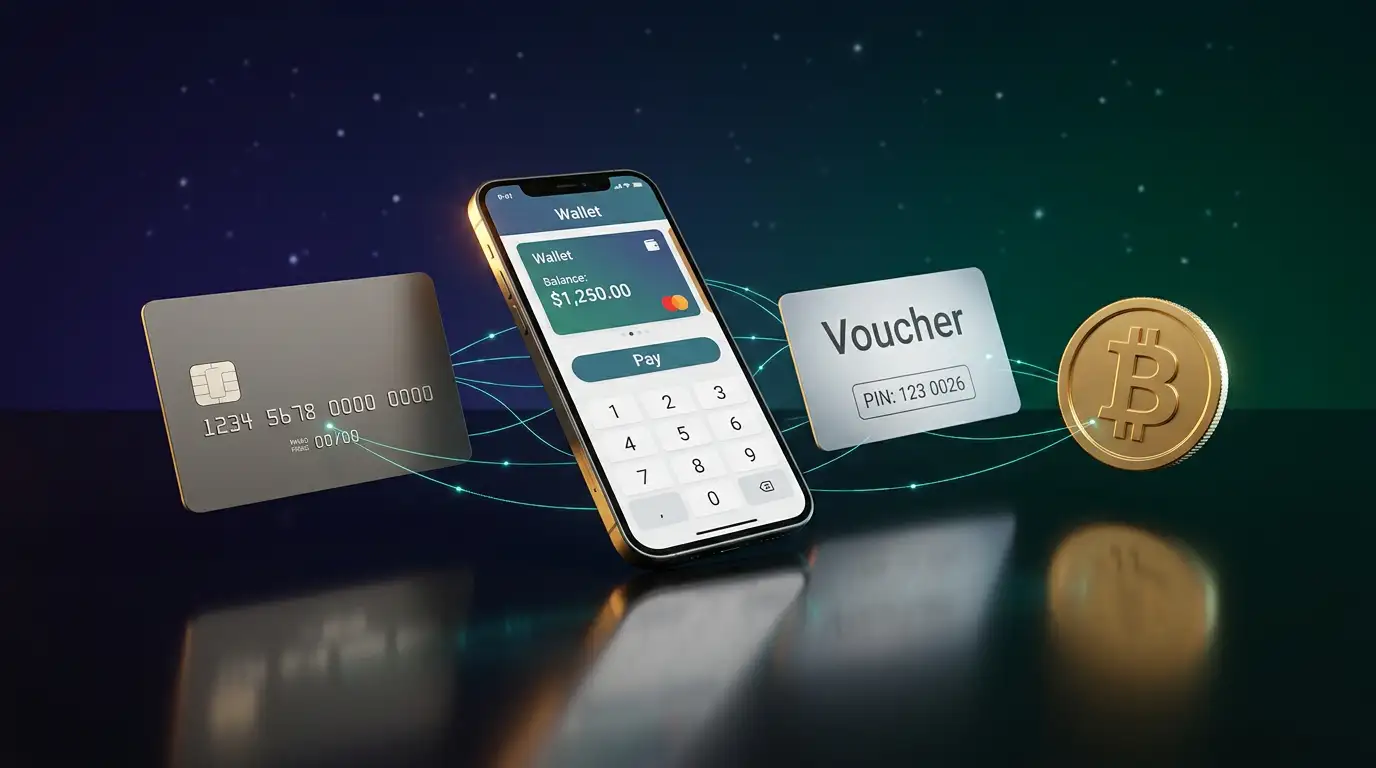
For players, understanding how these payment methods work – including their processing times, fee structures, and security characteristics – is fundamental to a smooth gambling experience. The choice of payment method affects how quickly you can start playing, how fast you receive your winnings, and how well your financial data is protected throughout the process. This guide covers the major payment categories available at online casinos, the practical steps involved in depositing and withdrawing, and the security considerations that should inform every player’s decision.
Understanding the Main Payment Categories
Debit Cards
Debit cards from Visa, Mastercard, and Maestro remain the most universally accepted payment method across online casinos worldwide. Their appeal lies in familiarity – most players already own a debit card and understand how it works. Deposits made via debit card are typically processed instantly, allowing immediate access to funds for play. Withdrawals take longer, generally between one and five business days depending on the casino’s processing schedule and the card issuer’s policies.
It is worth noting that in Great Britain, the UK Gambling Commission banned the use of credit cards for gambling in April 2020. This prohibition applies to all licensed operators and extends to credit cards used through e-wallets. Players in the UK can only use debit cards for card-based gambling transactions. In other English-speaking jurisdictions such as the United States, Canada, and Australia, credit card policies vary by region and operator – some accept them, while others have moved toward debit-only models for responsible gambling reasons.
E-Wallets
E-wallets have become one of the most popular payment methods for online casino players, largely because of their speed and the additional layer of separation they provide between the player’s bank account and the casino. Services like PayPal, Skrill, and Neteller function as digital intermediaries – the player loads funds into the e-wallet from a bank account or card, then uses the e-wallet to transact with the casino. The casino never sees the player’s underlying banking details.
Deposits via e-wallets are instant. Withdrawals are typically the fastest available option at most casinos, often processing within 24 hours and sometimes arriving within minutes of casino approval. E-wallets also offer their own security features, including two-factor authentication, transaction monitoring, and dispute resolution processes. The main drawback is that some casinos exclude e-wallet deposits from welcome bonus eligibility, so checking the terms before depositing is important.
Bank Transfers
Direct bank transfers remain a trusted option, particularly for players moving larger sums. The specific infrastructure varies by country – in the UK, payment rails include Faster Payments, BACS, and CHAPS, each with different speed and cost profiles. Faster Payments typically processes within minutes to a few hours. BACS transactions take one to three business days. CHAPS handles same-day transfers but is generally reserved for high-value transactions and carries higher fees.
In other markets, equivalent systems exist – ACH in the United States, Interac in Canada, and various local instant payment networks elsewhere. Open banking solutions such as Trustly and TrueLayer have gained ground in recent years, enabling real-time bank-to-casino transfers with lower transaction costs than traditional bank wires. These services authenticate the player directly through their bank’s own security systems, eliminating the need to share banking credentials with any third party.
Prepaid Vouchers
Prepaid voucher systems like Paysafecard offer a cash-based approach to online payments. The player purchases a voucher – either at a physical retail outlet or online – and receives a unique PIN code tied to a fixed monetary value. This PIN is entered at the casino’s cashier to complete a deposit. No bank account, card, or personal financial data is required at any point in the transaction.
The privacy and spending control that prepaid vouchers provide are their main advantages. Because you can only spend the amount loaded on the voucher, overspending is structurally impossible without purchasing additional vouchers. The primary limitation is that prepaid vouchers are deposit-only methods – withdrawals cannot be processed back to a voucher, so an alternative method must be available for cashing out winnings.
Mobile Billing
Pay-by-phone services allow players to fund casino accounts by charging deposits directly to their mobile phone bill or deducting them from prepaid mobile credit. Services in this category typically handle small deposits – often capped at a modest daily limit – and add the charge to the player’s next phone bill or deduct it from their prepaid balance. No bank or card details are needed, making it one of the simplest methods available.
The limitations are significant, however. Deposit amounts tend to be restricted, transaction fees are common, and withdrawals are not supported through mobile billing. Players who deposit via phone bill will need a separate method to withdraw any winnings. The method is best suited for casual players who want to make small, quick deposits without accessing their banking apps or entering card details.
Cryptocurrency
Bitcoin, Ethereum, Litecoin, and other cryptocurrencies have carved out a niche in the online casino payment landscape. Cryptocurrency transactions offer strong privacy characteristics – the player’s identity is not inherently linked to the transaction – along with fast processing times for both deposits and withdrawals. Fees are generally low compared to traditional banking methods, and cross-border transactions face none of the currency conversion complications that affect fiat payments.
The main consideration with cryptocurrency is price volatility. The value of holdings can fluctuate significantly between the time of deposit and withdrawal, introducing an additional variable that does not exist with conventional payment methods. Regulatory acceptance of cryptocurrency for gambling also varies widely by jurisdiction, and not all licensed casinos support it. Players interested in this option should confirm both the casino’s cryptocurrency policy and the legal status of crypto gambling in their region.
Choosing the Right Payment Method
Selecting a payment method involves balancing several factors against your individual priorities. Transaction speed matters if you want to play immediately after depositing or access your winnings quickly. Security features matter if protecting your financial data is a primary concern. Fees matter if you make frequent transactions. And bonus eligibility matters if you intend to claim promotional offers.
Speed varies considerably across methods. E-wallets and debit cards provide instant deposits, while bank transfers may take hours or days. For withdrawals, e-wallets are consistently the fastest – often under 24 hours – followed by open banking solutions, debit cards (one to five business days), and traditional bank transfers (two to seven business days or more).
Fees are not always transparent at first glance. Many payment methods advertise free transactions, but costs can appear in the form of currency conversion charges, inactivity fees on dormant accounts, or fees imposed by the casino itself rather than the payment provider. Reading both the casino’s banking terms and the payment provider’s fee schedule before committing prevents unexpected charges.
Bonus eligibility deserves particular attention. A significant number of online casinos exclude deposits made via e-wallets – particularly Skrill and Neteller – from welcome bonus qualification. This restriction is typically stated in the bonus terms and conditions, and missing it can mean forfeiting what might otherwise be a substantial promotional offer. If claiming a bonus is part of your plan, confirm that your chosen deposit method qualifies before making the transaction.
Setting Up and Funding Your Account
The process of setting up a payment method and making a first deposit at an online casino follows a general pattern regardless of which method you choose. Registration at the casino comes first – this involves providing personal information and, in most regulated markets, completing identity verification through documents such as a passport, driving license, or utility bill. This know-your-customer process is a regulatory requirement designed to prevent fraud, underage gambling, and money laundering.
Once your account is verified, navigate to the cashier or banking section and select your preferred deposit method. For card payments, you will enter your card number, expiry date, and security code. For e-wallets, the casino redirects you to the e-wallet provider’s login page, where you authenticate and approve the transaction. For bank transfers, you will need the casino’s banking details – account name, number, sort code or IBAN, and a reference number. For prepaid vouchers, you enter the PIN code printed on the voucher.
After entering the deposit amount and confirming the transaction, most methods credit the funds to your casino balance immediately. Bank transfers are the main exception, potentially requiring a waiting period before the funds clear. A confirmation notification from both the casino and the payment provider typically follows each successful transaction.
Withdrawing Your Winnings
The withdrawal process mirrors the deposit process in reverse but typically involves additional verification steps, particularly for first-time cashouts. Most casinos require that you withdraw using the same method you used to deposit, at least up to the deposited amount. This policy, known as “closed loop” processing, exists to prevent money laundering by ensuring funds return to their original source.
To initiate a withdrawal, navigate to the cashier section, select the withdrawal option, choose your payment method, and enter the amount. The casino will then process the request, which may involve a pending period during which the withdrawal can be reviewed or reversed. Pending periods vary by casino – some process withdrawals within hours, while others maintain a 24 to 72-hour review window.
Processing times after the casino approves the withdrawal depend on the method. E-wallets are the fastest, with funds often arriving within minutes of approval. Debit card withdrawals typically take one to five business days. Bank transfers can take anywhere from one day through instant payment networks to a week or more through traditional banking channels. Prepaid vouchers and mobile billing do not support withdrawals, requiring an alternative method.
Withdrawal limits are another factor to consider. Most casinos impose minimum and maximum withdrawal amounts, which may be applied per transaction, per day, per week, or per month. These limits vary by casino and sometimes by payment method. Players who achieve significant wins – particularly on progressive jackpot games – should review the casino’s withdrawal limit policy carefully, as very large payouts may be disbursed in instalments over an extended period.
Security in Casino Payments
Security infrastructure in online casino payments operates on multiple levels. At the transmission level, SSL encryption – typically 128-bit or 256-bit – protects data moving between the player’s device and the casino’s servers. This encryption renders intercepted data unreadable to anyone other than the intended recipient, securing sensitive information like card numbers, login credentials, and transaction details during transit.
Two-factor authentication adds a second verification layer beyond the standard password. This typically involves a one-time code sent to the player’s phone via SMS or generated by an authenticator app. Even if a password is compromised through a data breach or phishing attack, the second factor prevents unauthorized access to the account. Most major e-wallets offer two-factor authentication, and an increasing number of casinos support it for account logins as well.
Fraud detection systems operate behind the scenes at both the casino and the payment provider level. These systems use pattern analysis and, increasingly, machine learning to identify suspicious transaction activity – unusual deposit patterns, login attempts from unfamiliar locations, or withdrawal requests that deviate from established behavior. When flagged, transactions may be held for manual review or additional verification.
Players can reinforce these institutional protections with practical habits. Using strong, unique passwords for both casino and payment accounts reduces vulnerability to credential-based attacks. Avoiding public Wi-Fi networks when making financial transactions eliminates a common interception point. Monitoring account activity regularly and reporting unauthorized transactions promptly limits potential damage from any breach that does occur. And recognizing phishing attempts – unsolicited emails or messages requesting login credentials or financial information – remains one of the most effective defenses against social engineering fraud.
Regulatory Framework
Online casino payments in regulated markets operate under strict oversight from gambling authorities. In Great Britain, the UK Gambling Commission requires all licensed operators to implement robust anti-money laundering controls, verify player identities before allowing deposits or withdrawals, segregate player funds from operational accounts, and maintain transparent payment policies. The 2020 credit card gambling ban is one of the most visible regulatory interventions in the payment space, but ongoing compliance requirements around transaction monitoring, suspicious activity reporting, and responsible gambling tools are equally significant.
Other major regulatory bodies – the Malta Gaming Authority, the Gibraltar Gambling Commissioner, state-level regulators in the United States, and provincial authorities in Canada – impose similar but not identical requirements. The specific rules around acceptable payment methods, identity verification thresholds, and fund protection vary by jurisdiction, but the underlying principles of consumer protection, financial transparency, and crime prevention are consistent across reputable regulatory frameworks.
For players, the practical implication of this regulatory environment is straightforward: choosing a casino licensed by a recognized authority provides meaningful protections around how your money is handled. Licensed operators must meet defined standards for payment processing, fund segregation, and dispute resolution that unlicensed operations are under no obligation to follow.
Resolving Payment Issues
Payment problems at online casinos, while relatively uncommon at well-run platforms, do occur. The most frequent issues include delayed withdrawals, declined deposits, discrepancies between expected and actual transaction amounts, and bonus-related payment restrictions.
Delayed withdrawals are often caused by incomplete identity verification. Most casinos require document verification before processing a first withdrawal, and submitting the required documents promptly shortens the wait. Other common causes include pending periods built into the casino’s withdrawal policy, weekends and bank holidays that pause processing at the banking level, and withdrawal requests that trigger manual review due to their size or frequency.
Declined deposits usually result from insufficient funds, card restrictions set by the issuing bank, or payment method incompatibility with the casino’s processor. Contacting your bank to confirm that online gambling transactions are permitted on your account resolves many card-related deposit failures. Trying an alternative payment method is often the fastest practical solution.
If a payment issue cannot be resolved through the casino’s cashier interface, contacting customer support is the next step. Reputable casinos offer support through live chat, email, and sometimes telephone. When contacting support about a payment issue, having your transaction reference number, the date and amount of the transaction, and any confirmation emails readily available speeds up the resolution process.
If the casino’s support team cannot resolve the issue satisfactorily, players in regulated markets have recourse to the casino’s licensed alternative dispute resolution provider. This information is typically published in the casino’s terms and conditions and on the relevant regulator’s website. Filing a complaint with the regulator itself is a further option if the ADR process proves inadequate.
Frequently Asked Questions
What is the fastest way to deposit at an online casino?
E-wallets and debit cards offer instant deposits at most casinos. Prepaid vouchers also process immediately. Bank transfers are the slowest option, potentially taking hours to days depending on the transfer method used.
What is the fastest withdrawal method?
E-wallets consistently provide the fastest withdrawals, often completing within 24 hours of casino approval and sometimes within minutes. Open banking solutions are also fast. Debit card and bank transfer withdrawals typically take several business days.
Can I use a credit card at an online casino?
In Great Britain, credit cards are banned for all gambling transactions under rules introduced by the UK Gambling Commission in April 2020. This ban extends to credit cards used through e-wallets. In other jurisdictions, credit card acceptance varies by operator and local regulations.
Are there fees for casino deposits and withdrawals?
Many payment methods do not charge fees for standard casino transactions, but exceptions exist. Currency conversion fees apply when the payment currency differs from the casino’s operating currency. Some casinos impose withdrawal fees or minimum withdrawal thresholds. Checking both the casino’s and the payment provider’s terms clarifies any applicable costs.
Why do I need to verify my identity to withdraw?
Identity verification – commonly called KYC (Know Your Customer) – is a regulatory requirement in licensed gambling markets. It exists to prevent fraud, underage gambling, and money laundering. Most casinos require verification before processing a first withdrawal, and the process typically involves submitting a photo ID and proof of address.
Can I use different methods for depositing and withdrawing?
Most casinos require withdrawals to be made via the same method used for the most recent deposit, at least up to the deposited amount. This closed-loop policy is a security measure. Winnings above the deposited amount can often be withdrawn through an alternative method, subject to the casino’s specific policies.
